GUSTAVO LOPES PEREIRA
This is a mysterious and melancholic piece. A close, low-lit large photograph of two bare adult feet resting on a teal-blue rug, the composition is tight and frontal, with the feet occupying the lower and central areas of the frame while the upper portion falls into near-black shadow. Directional light catches the skin, the deep wrinkles, toenails, veins, and folds, as well as the dense synthetic texture of the rug.
Color and light are central to the photograph’s effect. The rug is rendered in unusually sharp detail: each synthetic fiber is legible, and the cool blue of the pile reads strongly against the warm, slightly reddened skin.
The image is direct in its subject matter but carefully controlled in its visual emphasis: it withholds the face, the room, and most contextual information, concentrating instead on a bodily fragment and a domestic surface.
Within Lopes Pereira’s Ultramar series, this narrowing of attention is significant. The project sets out to document the presence of Africa in families who migrated to Portugal 1974 through the residue of personal and family life. The title links the sitter to Matola and to the 1950s, at the height of the colonial period, while the photograph itself offers no overt geographical marker.
It is this gap between caption and image that does most of the productive work, allowing the domestic detail to carry a larger biographical and collective weight.
For private collectors focused on contemporary European photography, documentary practice, and post-colonial visual culture, this work represents a notably subdued, indirect methodology. The choice to photograph feet rather than a face is restrained and pointed. Feet suggest age, movement, labor, migration, and the physical duration of a life, but the image does not force these associations.
This opacity is one of the works’ greatest strengths. In its refusal of spectacle, it allows history to appear as something intimate, embodied, and still present in private rooms.
Materials: Radiant White cotton paper, Inkjet photography print, Black lacquered frame with housing, 5mm PVC and standard glass.
Size: 60 x 42,86 cm
Framed Size: 62,5 x 45,5 cm
Year: 2021
Series: Ultramar
Hand-signed by artist, numbered and dated in pencil.
Unique edition
Includes a Certificate of Authenticity
GUSTAVO LOPES PEREIRA
This is a mysterious and melancholic piece. A close, low-lit large photograph of two bare adult feet resting on a teal-blue rug, the composition is tight and frontal, with the feet occupying the lower and central areas of the frame while the upper portion falls into near-black shadow. Directional light catches the skin, the deep wrinkles, toenails, veins, and folds, as well as the dense synthetic texture of the rug.
Color and light are central to the photograph’s effect. The rug is rendered in unusually sharp detail: each synthetic fiber is legible, and the cool blue of the pile reads strongly against the warm, slightly reddened skin.
The image is direct in its subject matter but carefully controlled in its visual emphasis: it withholds the face, the room, and most contextual information, concentrating instead on a bodily fragment and a domestic surface.
Within Lopes Pereira’s Ultramar series, this narrowing of attention is significant. The project sets out to document the presence of Africa in families who migrated to Portugal 1974 through the residue of personal and family life. The title links the sitter to Matola and to the 1950s, at the height of the colonial period, while the photograph itself offers no overt geographical marker.
It is this gap between caption and image that does most of the productive work, allowing the domestic detail to carry a larger biographical and collective weight.
For private collectors focused on contemporary European photography, documentary practice, and post-colonial visual culture, this work represents a notably subdued, indirect methodology. The choice to photograph feet rather than a face is restrained and pointed. Feet suggest age, movement, labor, migration, and the physical duration of a life, but the image does not force these associations.
This opacity is one of the works’ greatest strengths. In its refusal of spectacle, it allows history to appear as something intimate, embodied, and still present in private rooms.
Materials: Radiant White cotton paper, Inkjet photography print, Black lacquered frame with housing, 5mm PVC and standard glass.
Size: 60 x 42,86 cm
Framed Size: 62,5 x 45,5 cm
Year: 2021
Series: Ultramar
Hand-signed by artist, numbered and dated in pencil.
Unique edition
Includes a Certificate of Authenticity


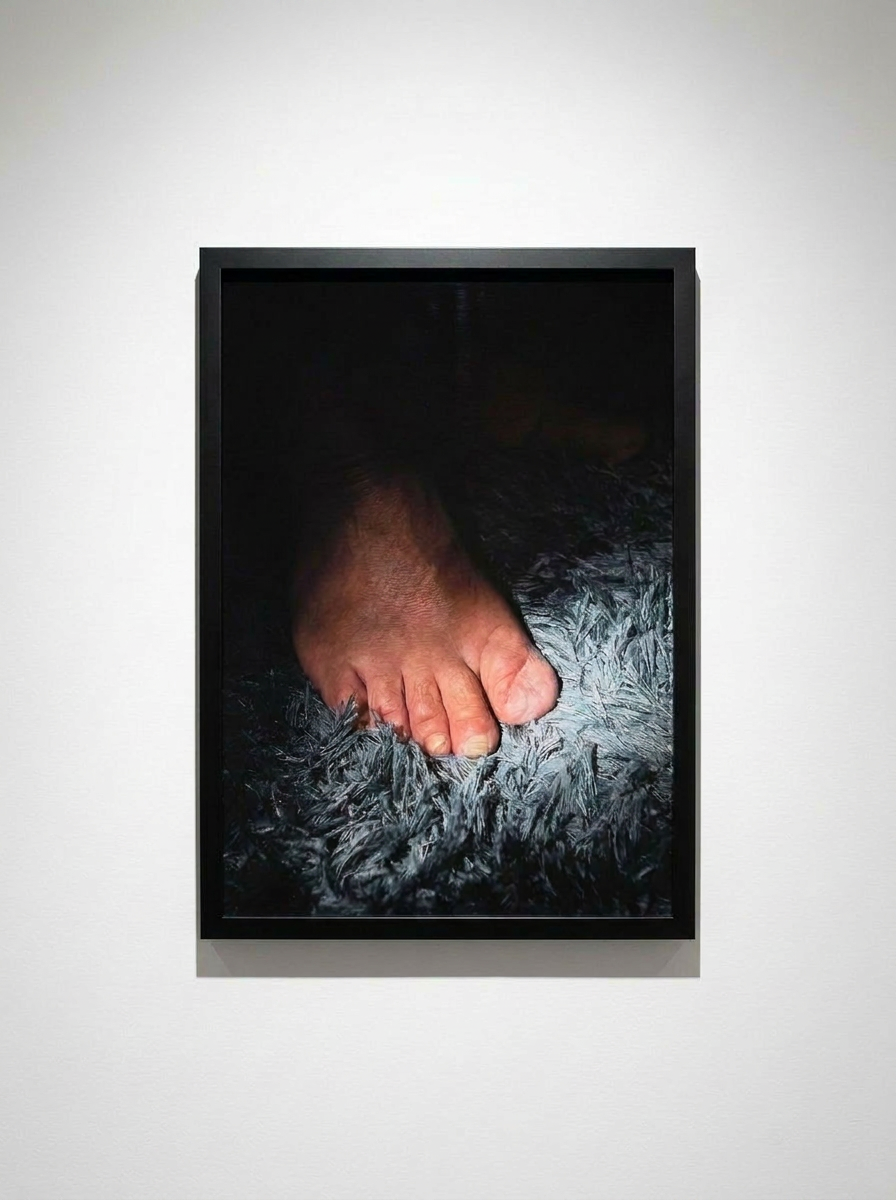 Image 1 of 4
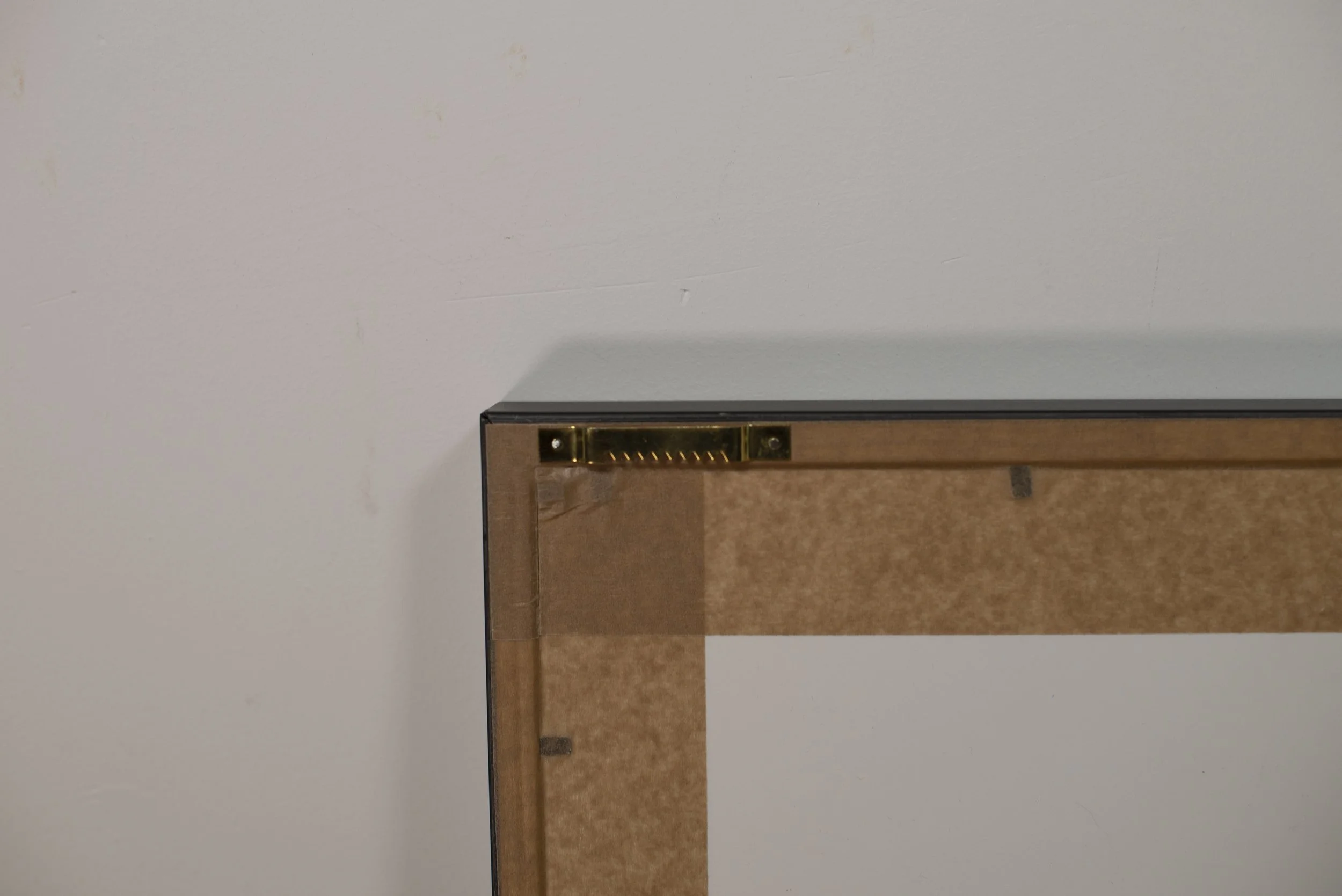 Image 2 of 4
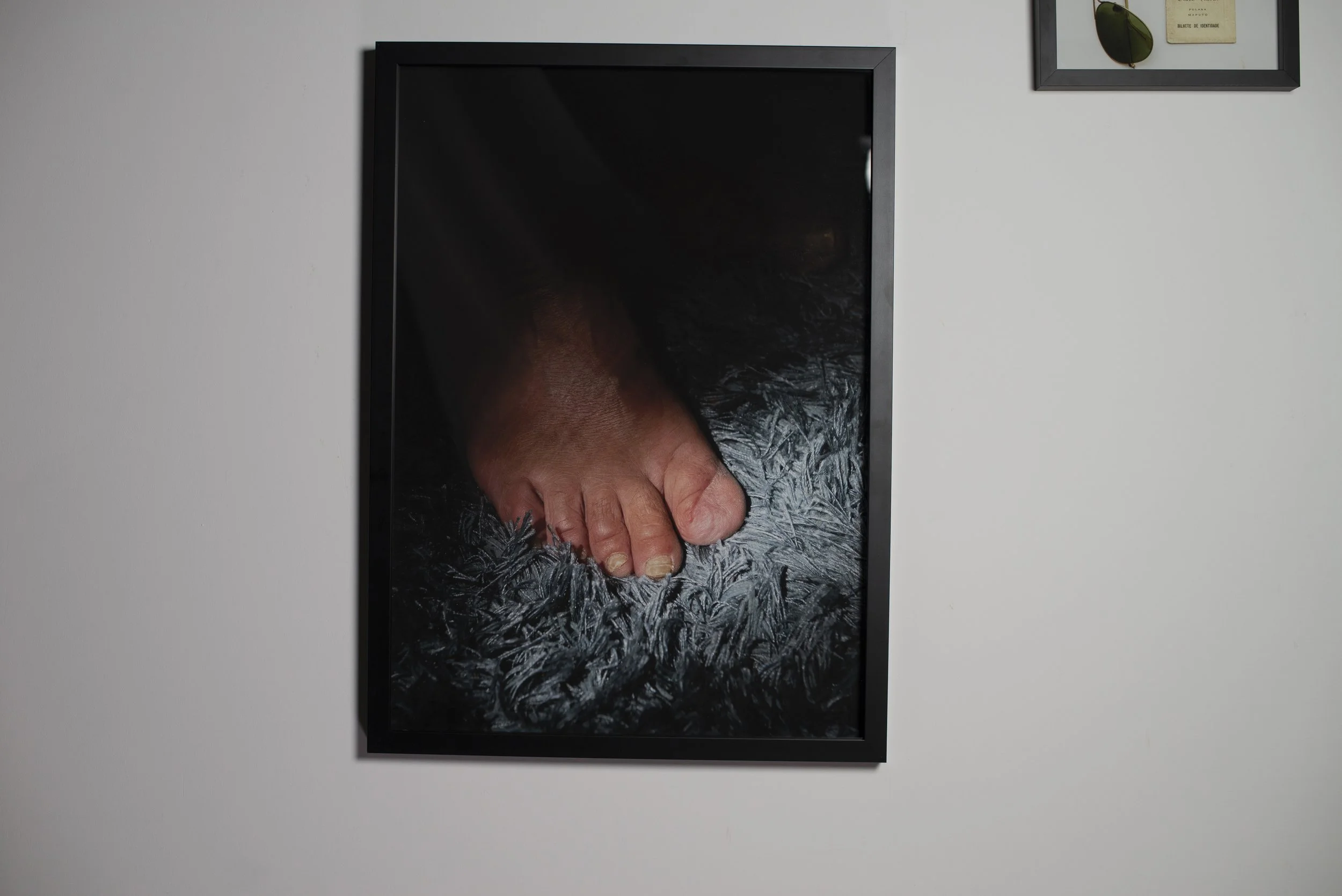 Image 3 of 4
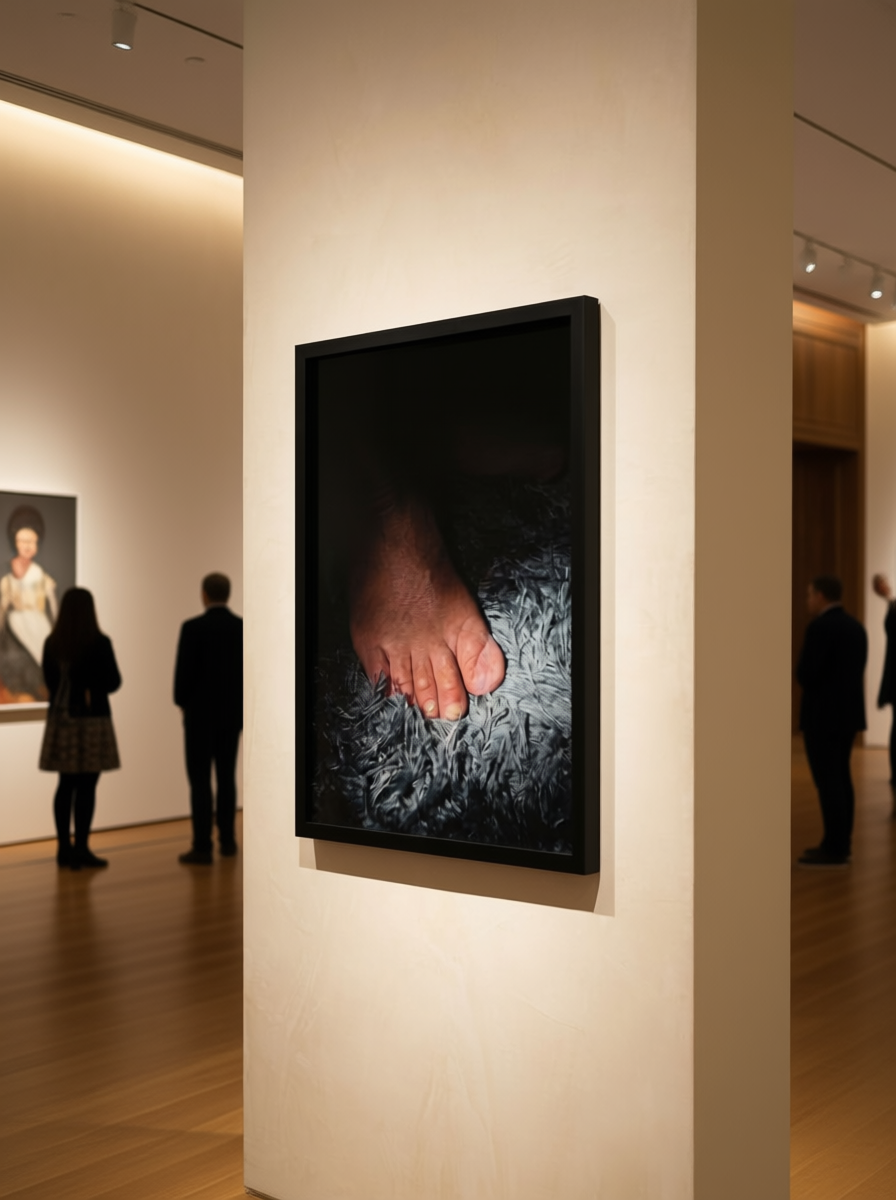 Image 4 of 4